
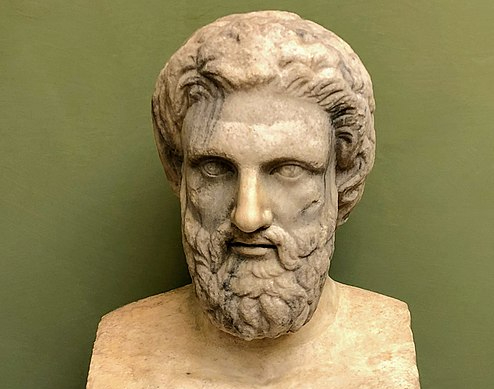
A Potted History of the Theatre starts with some thoughts on its antecedents, and the subsequent establishment of Greek Tragedy and Comedy, followed by its existence during the time of the Romans. The reincarnation of theatre after the Dark Ages is covered, while the period from the Elizabethans is principally about British theatre.

A Potted History of Intelligence (Espionage) runs chronologically from Ancient Egypt through to recent times. In the Odds and Sods section it includes further detail on: Elizabethan Spymasters; Double XX Deceptions; Envoys, Ambassadors and Embassies; Industrial Espionage; and Cryptography.
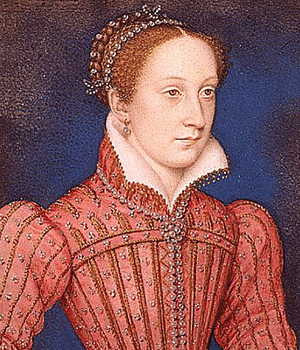
Mary, Queen of Scots. This is actually part of my potted history of Edinburgh. However, I have also decided to show it as a discrete item, as her story is so riveting.

A Potted History of the Industrial Revolution and the Victorian Age starts with relevant events from around the late 17th century; covers the period of the first Industrial Revolution itself; and moves onto many things that resulted from it in the Victorian Age.
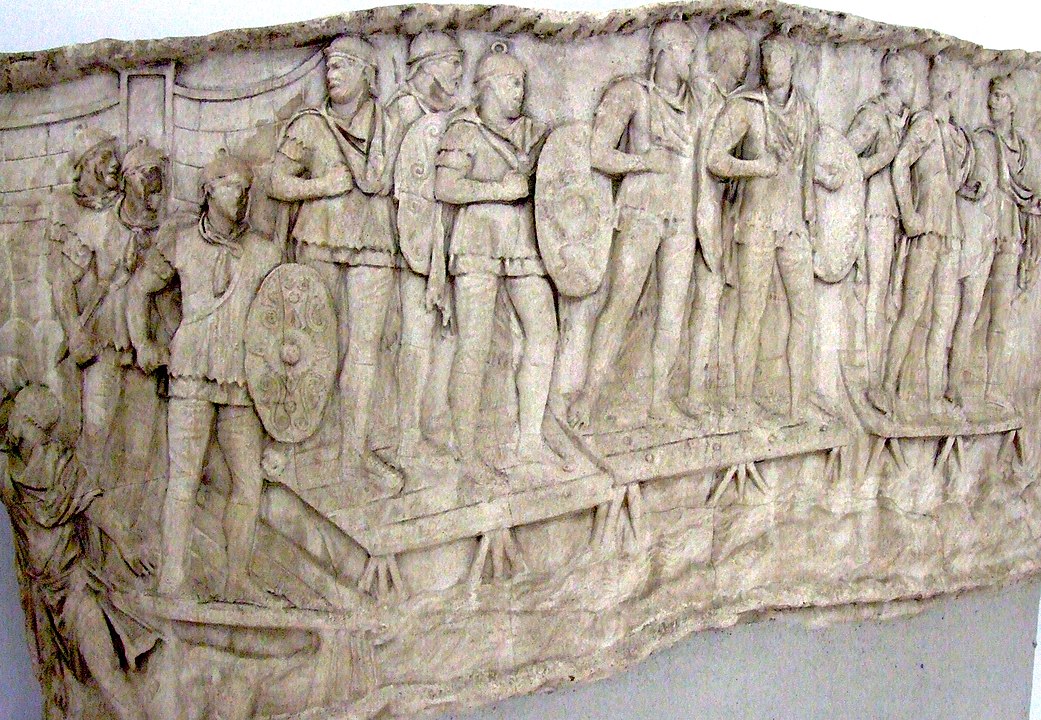
A Potted History of Roman Britain starts with the period from the late Bronze Age and the Iron Age before summarising Julius Caesar’s “visits”. It then moves on to the invasion of Britain which took place in 43 CE. The conquest of the south was followed by its Romanisation, which was based on the creation of an urban infrastructure, something which Britain did not have. The Romans were less successful in the north, and eventually gave up on the idea of subduing Northern Scotland. The gradual decline of the Roman empire ultimately led to the Romans officially leaving Britain in 410 CE.

A Potted History of the Anglo-Saxons: commences with the closing days of the Roman occupation of Britain; outlines the immigration of the Angles, Saxons and Jutes; covers the Heptarchy (the seven main kingdoms) and the arrival of Christianity; introduces the Vikings; details the exploits of Alfred the Great, along with his son Edward the Elder, his daughter Athelflaed and his grandson Athelstan who was recognised as the first king of England; summarises the succeeding monarchs, including the Viking rulers; and finishes with Edward the Confessor and Harold Godwinson.
A Potted History of England during the Norman and Angevin Periods commences by summarising the aftermath of the battle of Hastings. It then covers the period from the battle in 1066 to the end of Henry III’s regency in 1227, including dynastic politics, feudal society, the Church, the king and his government, the legal system, culture and the economy.

A Potted History of Monasticism in England begins with some background on asceticism before following the first Christian hermits and monasteries in Egypt, their establishment in the Eastern Roman Empire before their arrival in the West. Celtic monks appeared in Ireland, Iona and subsequently Northumbria, while Roman-led Christianity came to southern England. Monasticism went through various phases and series of reforms which saw the introduction of new monastic orders. They all disappeared with the Dissolution of the Monasteries in Henry VIII’s reign before reappearing in the 19th century, albeit on a much smaller scale.

A Potted History of Computing starts off by summarising related inventions from prehistory up to the end of the 19th century. The first three generations of the modern computer cover the period from the late 1930s up to the end of the 1960s. The subsequent rate of advances in technology lead to each of the following decades being treated separately.

A Potted History of Universal Suffrage in the UK starts in Ancient Greece and the first democracy in Athens, followed by the more complex implementation in the Roman Republic. The remainder is concerned with the UK from the time of the Anglo Saxons through to the 19th and early 20th centuries when progress on suffrage finally began to happen.
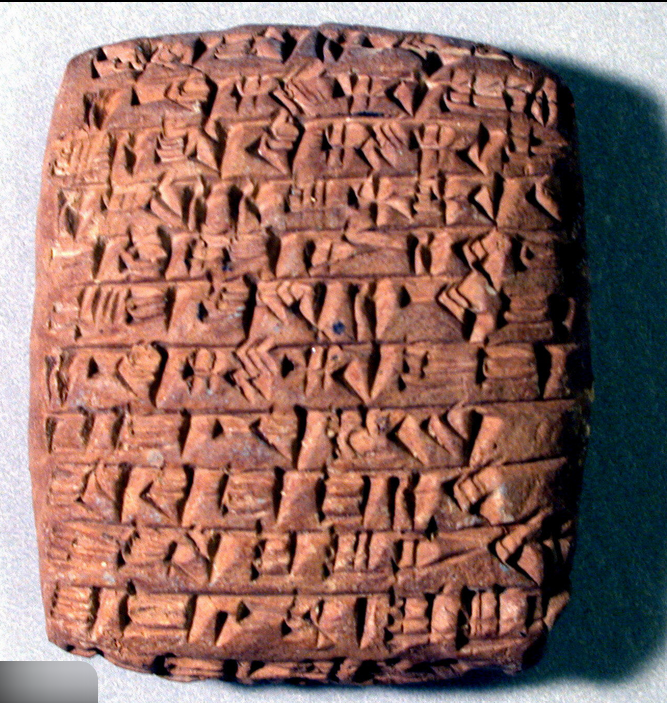
A Potted History of Languages and Writing Systems. Languages are limited to the Indo-European family, specifically the European, focusing ultimately on the English Language. Writing Systems starts with the Sumerians and Ancient Egyptians and then follows the alphabetic scripts from Phoenician, through Greek and on to Latin.
 BK .. This and That


